
As the global orthotics and prosthetics (O&P) industry steps into a wave of digital transformation, 3D printing and intelligent manufacturing technologies are fundamentally reshaping the way medical devices are designed and produced. With high-precision engineering, reliable medical-grade materials, and advanced production workflows, Basinglead empowers O&P professionals with greater efficiency, improved customization, and superior clinical outcomes.
This article will walk you through the core applications of 3D printing in the orthotics field, the key value it brings, and how Basinglead’s innovative equipment and system solutions help accelerate industry upgrades.
3D printing has become essential across several major O&P applications, and Basinglead’s systems are deeply optimized for these specific use scenarios.
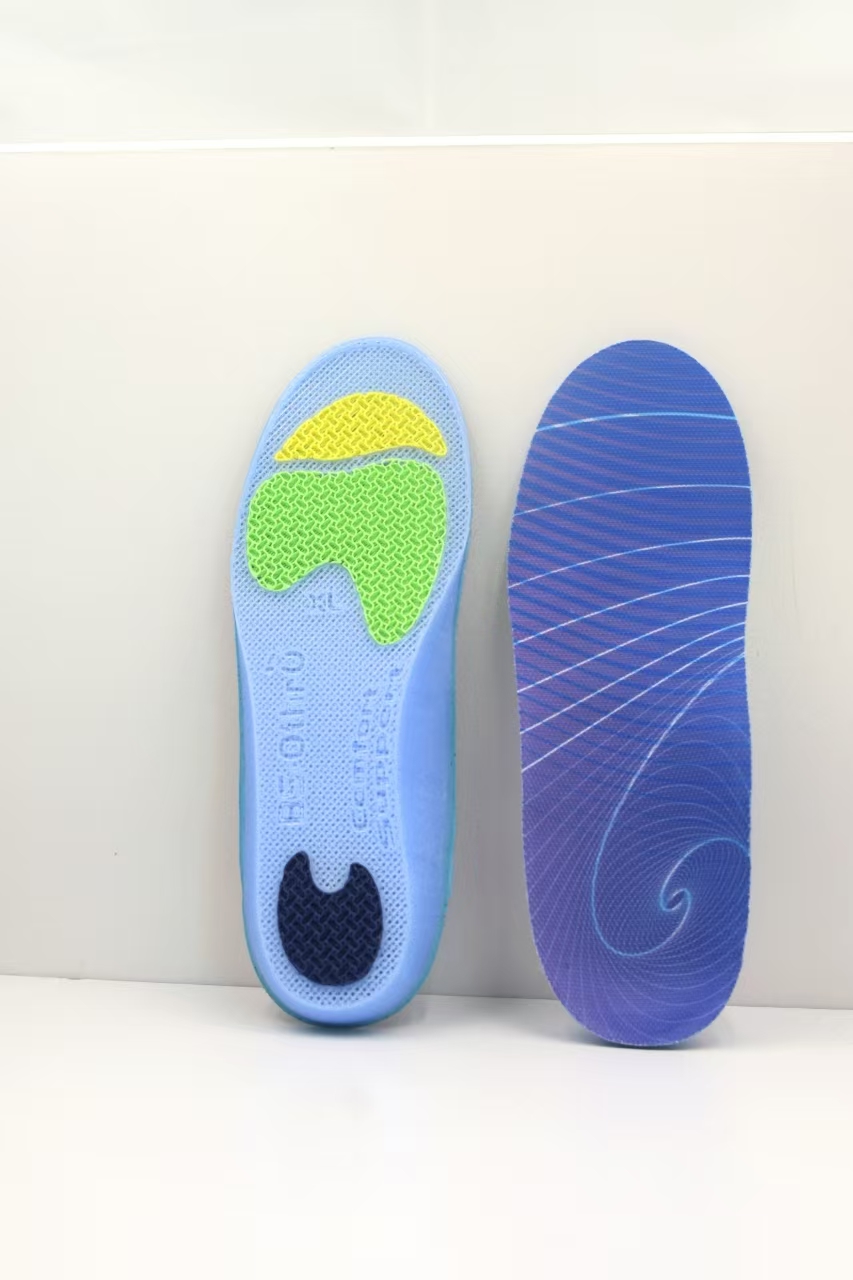
3D-printed insoles can be rapidly customized based on plantar data, with adjustable hardness, support levels, and cushioning zones. Through Basinglead’s digital workflow, clinicians can easily design breathable, supportive, and highly conforming insoles—greatly enhancing patient comfort.
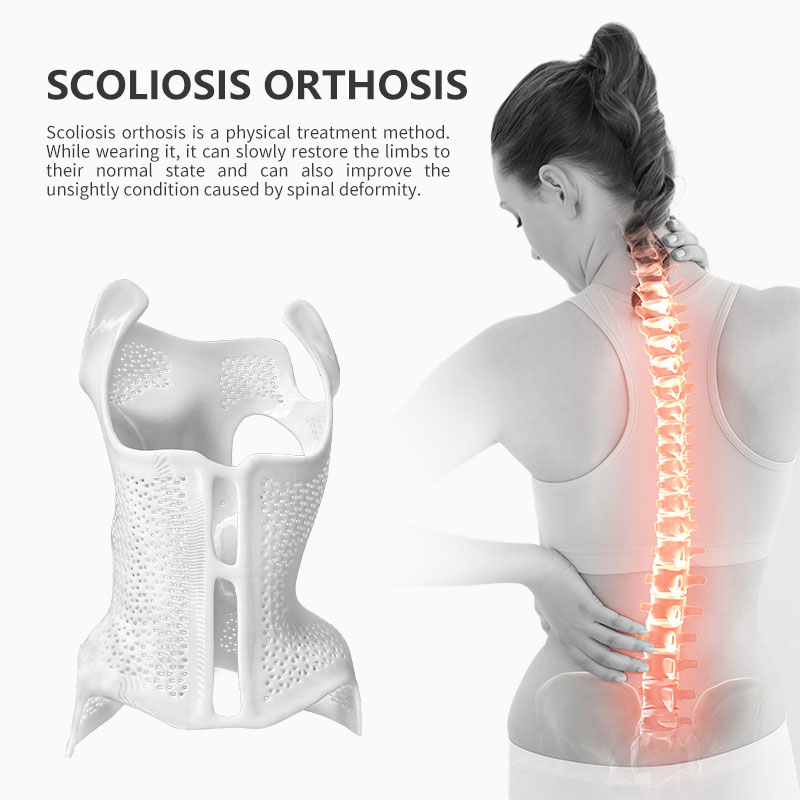
Traditional braces are bulky and time-consuming to produce. Basinglead’s high-performance printing solutions create braces that are lighter, more breathable, and more anatomically contoured.
Better wearing experience = higher compliance = better correction outcomes.
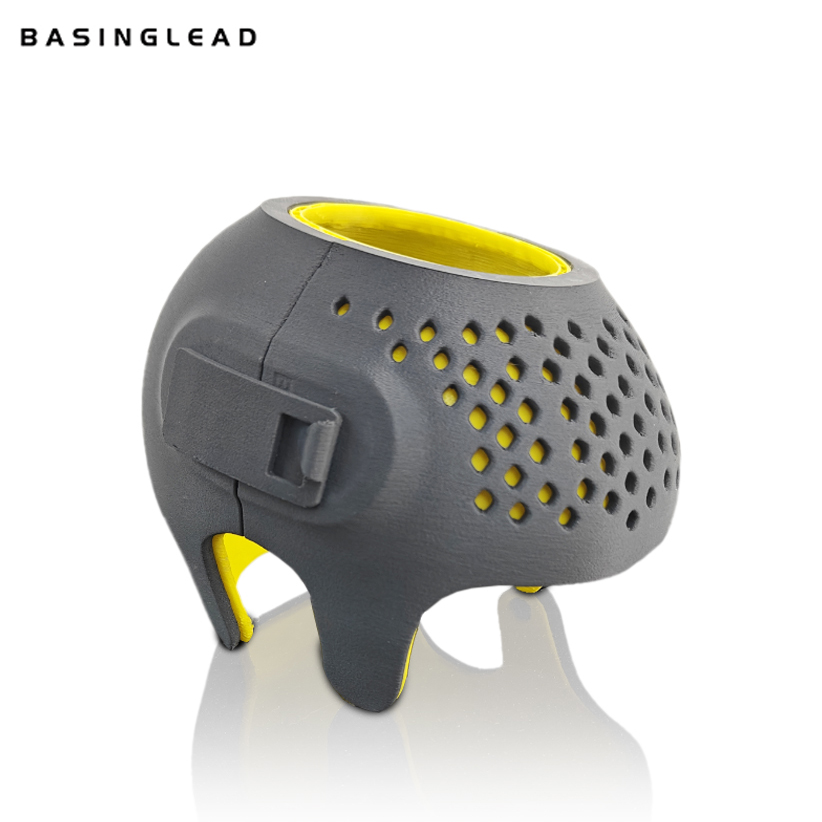
For conditions like plagiocephaly, Basinglead’s equipment can rapidly produce helmets that are lighter and more breathable. With precise scanning and design, the helmets deliver both comfort and effective orthotic performance during infants’ critical developmental stages.
Traditional manufacturing generates substantial waste. Basinglead’s 3D printing technology produces parts on demand, significantly reducing material usage, lowering clinical costs, and supporting environmental sustainability.
With no need for complex molds, plaster, or intensive manual finishing, Basinglead’s digital workflow reduces production costs and improves cost-effectiveness for clinics and labs.
Basinglead’s scan–design–print end-to-end solution transforms complicated processes into controllable, efficient, and easily adjustable workflows.
Production cycles that once required weeks can now be shortened to days or even hours—boosting both clinical efficiency and patient satisfaction.
Basinglead’s PP composite offers excellent durability, flexibility, and biocompatibility. It is particularly suitable for long-term-wear devices such as scoliosis braces. The material has passed multiple open-close fatigue tests, ensuring reliability in intensive clinical use.
TPU provides flexibility, shock absorption, and comfort, with adjustable hardness across different zones. Basinglead’s material system ensures fine, stable structures—ideal for a wide range of foot orthotic applications.


This website uses cookies to ensure you get the best experience on our website.

 CN
CN



 17714306190
Comment
(0)